


Focused on simplicity and affordability, this timer (Model: PS-386) is designed for amateur chess/Go players, students, and small clubs. It features a streamlined design, large easy-press buttons, and basic timing functions—no complicated setup, making it perfect for beginners.
| Quantity: | |
|---|---|
Ideal for weekend matches between friends/family: press RESET to clear time, then press Player 1’s START/PAUSE to begin—no manual mode adjustments. The 15mm round buttons are easy to press even in intense moments, and the dual screens clearly show each player’s remaining time (avoids disputes).
Lightweight (220g) and compact (193mm×130mm×54mm), it fits into school bags for inter-class competitions. The durable ABS shell withstands frequent use by students, and the optional blue backlight works in dim classrooms.
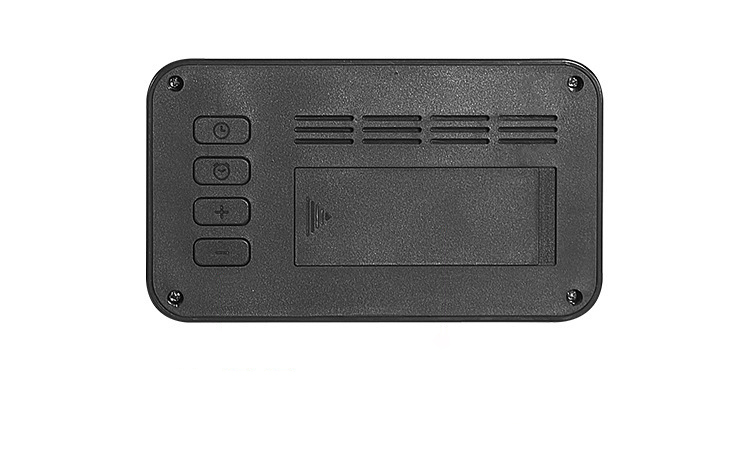
• Streamlined Shape: Smooth edges (no sharp corners) for student safety; thin profile (54mm) saves storage space.
• Large Buttons: 15mm rubber-coated buttons (Player 1/2 START/PAUSE) with obvious feedback—reduces misoperation for kids.
• Dual Screens: 1.2-inch LCDs with clear text (visible from 2–3 meters, suitable for small venues).
• Shell: Thickened ABS plastic (2mm)—resistant to scratches from books or backpacks.
• Base: Lightweight plastic with mini rubber pads (prevents sliding on desks without adding weight).
Parameter | Details |
Model | PS-386 |
Dimensions | 193mm (L) × 130mm (W) × 54mm (H) |
Display | Dual 1.2-inch LCD (optional blue backlight) |
Timing Modes | Basic Timing (0–99min), Simple Increment (0/10/30/60s per move) |
Buttons | 2×START/PAUSE (Player 1/2), 1×RESET, 1×MODE |
Power Supply | 3×AAA batteries (not included) |
Weight | 220g (without batteries) |
Applicable Games | Chess, Go, Chinese Chess, Shogi |
Auto-Shutdown | 1 hour of inactivity |
Basic mode requires no manual: just reset and start. For increment mode, press MODE to cycle through 0s/10s/30s/60s—ideal for beginners who don’t need professional complexity.
3 AAA batteries last up to 6 months with 1 hour of daily use; auto-shutdown saves battery when not in use. The low-battery indicator (flashing screen) reminds users to replace batteries.
• Guidance: 2-page picture manual + 5-minute video tutorial (sent via email) for beginners.
• Warranty: 12-month warranty; free repair for button/screen issues from normal use.
• Replacement Parts: Low-cost buttons/batteries (free shipping over $20).


